
Internet exchange points in New Zealand
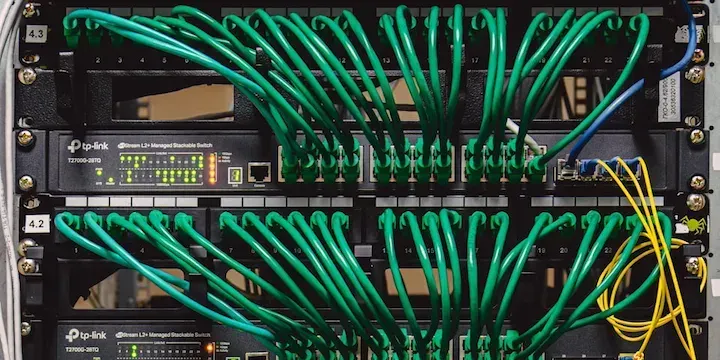
Internet exchange points (IXPs) are where networks connect and exchange data. They allow internet service providers, content companies and other network operators to pass traffic directly between each other.
In principle, this keeps local traffic within New Zealand. Instead of sending data through international transit providers, networks can exchange it locally. In practice, not all networks peer domestically, so some traffic still travels via overseas routes.
Local peering means lower latency and lower costs.
What internet exchange points do
IXPs provide a meeting place for networks. Participants connect their infrastructure and agree to exchange traffic, a process known as peering.
Without IXPs, much of this traffic would travel via third-party networks, often taking longer routes. By connecting directly, networks can improve performance and make more efficient use of capacity.
IXPs in New Zealand
New Zealand’s IXPs are mainly located in Auckland, close to the country’s largest data centres and where most international cables land. This reflects where networks are concentrated, but interconnection also supports users and services across the country.
New Zealand’s long, narrow geography also shapes how IXPs are used. While much interconnection is centred in Auckland, traffic from other regions may still travel significant distances within the country even when it remains local.
A wide range of organisations use IXPs, including internet service providers, content delivery networks and cloud platforms.
Why they matter in New Zealand
New Zealand’s distance from major global hubs makes efficient routing important. Keeping traffic within the country where possible improves performance for users and reduces reliance on international links.
IXPs also play a role in resilience. Local interconnection means some traffic can continue to flow even if there are problems with international connectivity.
The reality: not all traffic stays local
In practice, not all traffic between New Zealand networks is exchanged locally. Some smaller providers rely on international transit or interconnection in Australia, meaning data can leave the country before returning. The impact varies depending on the networks involved.
How IXPs fit into the network
IXPs sit between access networks such as fibre and mobile, and the data centres where services are hosted. They complement submarine cables by helping determine how traffic moves within New Zealand, rather than how it reaches the rest of the world.
Further reading on internet exchange points
• What is an Internet Exchange Point (IXP)?
• NZ Internet Exchange
• How internet peering works
This page is part of a series of background briefings on New Zealand’s telecommunications industry:
• Data centres in New Zealand
• Fibre networks in New Zealand
• Submarine cables in New Zealand
• Mobile networks in New Zealand
Member discussion