Oppo Find X8 Pro: Zoom, zoom, zoom
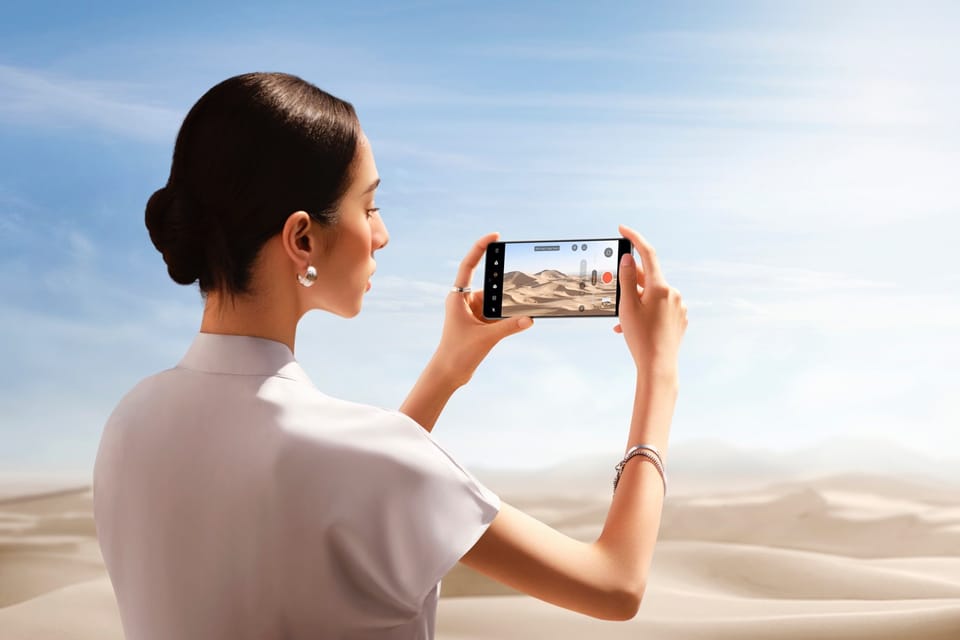
Cameras have been the headline feature in every premium phone launched in the last decade. There is a good reason why phone makers never stop talking about cameras.
Little changes in a handset’s ability to take calls or send and receive messages between each year’s new models. Phone processors get more powerful and capable, but they have long been powerful and capable enough for most apps. For the most part the phone apps that need extra processing power are mere digital trinkets.
Most of the other changes from one year’s phone models to the next are either cosmetic or incremental.
Peak phone camera
This camera-centric phone trend reached a new peak in November, when Oppo New Zealand launched the Find X8 Pro in Auckland.
Speakers at the launch function barely mentioned anything other than the phone’s cameras. Oppo’s guest speaker was a professional photographer who says he now uses the Find X8 Pro for his work.
The Find X8 Pro is not the first handset to be more camera than phone by a long stretch. Yet from the outside it certainly looks more like a camera than any phone that has gone before.
Distinctive camera ring
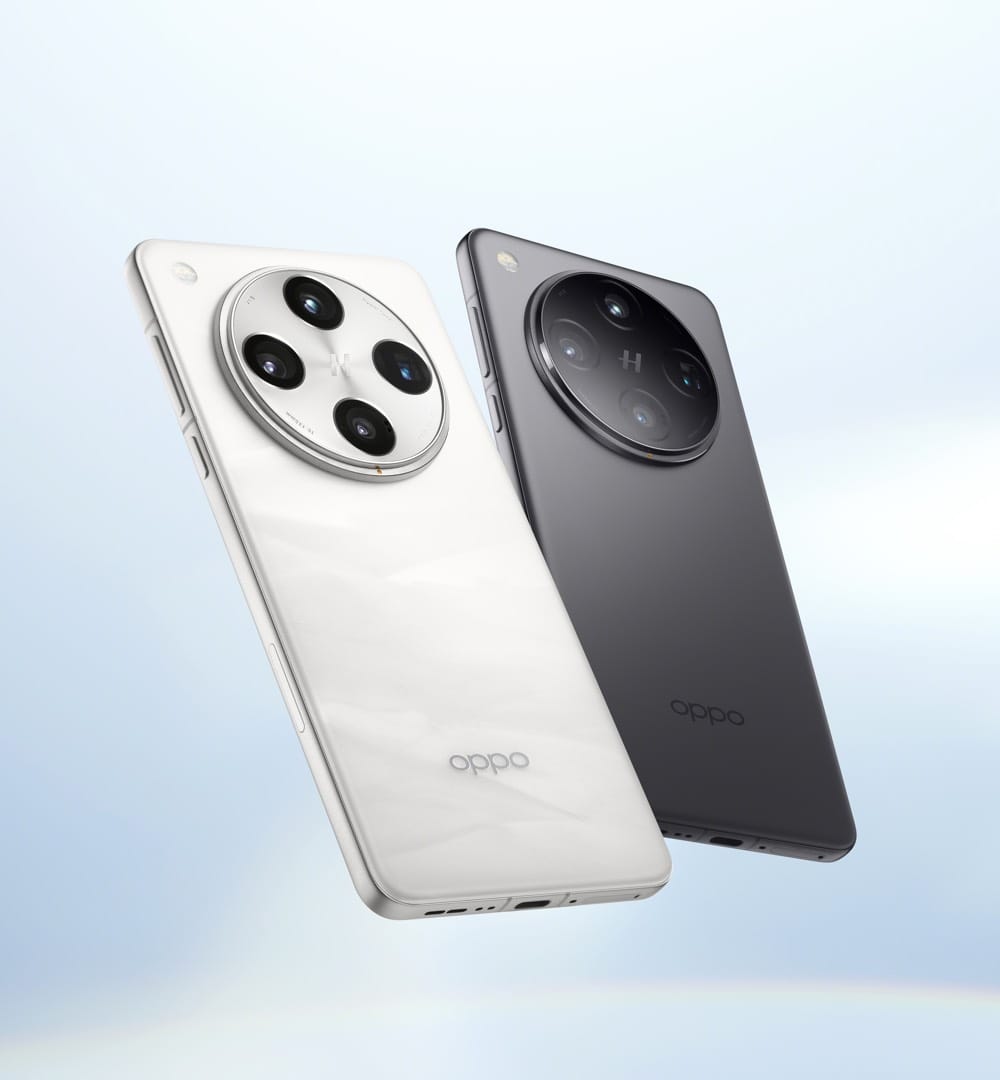
That’s because there’s a distinctive circular metallic camera ring on the rear of the phone with four very obvious lenses.
When phone makers first began adding camera clusters, they attempted to make them blend in. No longer. Oppo has taken pains to make sure this cluster is visible in all marketing shots. You can’t miss it.
If that doesn’t emphasise the camera enough, there is the association with Swedish camera brand Hasselblad.
Hasselblad Master Camera System
The Find X8 Pro includes the Hasselblad Master Camera System. This sounds impressive, even if it doesn’t mean much to most potential buyers. It’s unlikely more than a handful of Oppo’s target market have ever heard that brand name before.
While we’re talking about brands, Oppo may be a new name to you if you are not a close follower of the phone market. The Chinese company is New Zealand’s third most popular phone brand behind Samsung and Apple.
Oppo ranks number four in the world, Xiaomi sells greater volumes of phones elsewhere, but it beats Xiaomi in New Zealand. Up to a point Oppo has replaced Huawei as the third force in the local market.
To be fair, Oppo is still a long way behind the leaders. Samsung and Apple account for around 85 percent of phones sold here. Last year IDC reported that Oppo accounts for around 10 percent.
Zoom with periscopes
There’s no question Find X8 Pro’s headline feature is the main 50 megapixel camera with a 135mm (6x) periscope camera and a larger 23mm wide-angle sensor. It is the first phone to ship with two periscopes. In practice that gives you a wider range of zoom options.
It’s impressive technology. Yet you have to ask yourself if you need to pay $2300 for a phone that can identify and shoot an image of an individual car travelling over the Auckland Harbour Bridge while you’re standing a kilometre away at Birkenhead Wharf.
Sure this 60x zoom is a valuable feature if you are a stalker, beach lifeguard or a professional hitman. Yet, after wowing yourself with a capability that is barely distinguishable from magic, you may find yourself struggling to put it to work for practical tasks. I can’t remember a time when I whipped out my camera phone and said to myself, “if only I had 60x zoom”.
Teetering on the brink
At times that level of zoom feels like you are teetering on the edge of vouyerism.
When writing (or reading) about any 2024 digital device, you know that sooner or later the term AI is going to turn up. It does so here in a most creative and interesting way.
Oppo gets that incredible level of zoom performance by marrying AI to the Hasselblad Master Camera System. Onboard AI processing fills in some of the detail to improve the quality of zoom images. As already mentioned, this feels like magic.
Artificial intelligence
AI isn’t restricted to improving zoom images. There are AI photo editing tools for removing reflections, improving photo clarity and deblurring images.
If you feel like a Soviet era censor, you can remove unwanted people from images with another AI tool. Frankly this is incredible in practice but it also means we have to stop trusting what we see with our eyes when viewing photos.
Both Apple and Samsung have similar AI photo features, direct comparisons are hard. Which one is best is largely a matter of taste. Sadly there’s no way you’ll be able to fully examine the AI photo features of all three for a direct comparison.
Other AI features include the ability to summarise text and an AI enabled grammar and spelling checker. These are fine, but now standard fare for devices in this price range. The ability to transcribe voice recordings is extremely useful for a journalist. If I had more time with the phone I’d explore this further.
Other must mention features
The review phone came without a charger, so I couldn’t fully test how fast it juices a run-down battery. Apparently it is the quickest on the market. I’ll take Oppo’s word for that. I used a desktop laptop USB-C charger and got the phone up to 30 percent charge in about 20 minutes, it was fully charged in a little over an hour.
Oppo’s specifications say the phone has a 5910mAh battery. This has more capacity than anything else I’ve seen to date, it even outranks the 13 inch iPad Pro battery.
In practice this means with normal phone use you can easily go for two days between charges without having to ration your use. Heavy use of photography and video might run things down faster.
Verdict: Oppo Find X8 Pro
It’s a bold move asking NZ$2300 for a phone when your name is not Samsung or Apple. You can get a lot of iPhone or Galaxy for the same money.
Whether you think the Find X8 Pro feels as good as the Samsung or iPhone is entirely subjective and not worth commenting on here. If you’re tempted, but the Find X8 Pro go to a phone shop to handle it and the alternatives before buying.
Zoom aside, there is not enough here to tempt committed Apple users to abandon iOS for Android, but Samsung customers will relish having an alternative. If you want 60x zoom and you can justify the expense, then you won’t be disappointed.
The message I’m taking from spending a few days with the Oppo Find X8 Pro is that the brand needs to be taken seriously. There’s some great technology here. The mid-range phones are price competitive and worth a look.
More on Mobile Evolution:
- Living with an 8-Year-Old iPhone – A look at how long hardware actually lasts in the real world.
- Huawei’s split from Google weakens Android – The historical context of the third-player collapse in the phone market.
- The 'Evolutionary Dead End' of handsets – Why flagship phones started feeling "finished" years ago.
- Oppo Find X review — In 2018 we looked at the first Find X model.
- BlackBerry Passport — the business phone you won’t buy — There was a time when BlackBerry was a name to conjure with. By the time the Passport arrived in 2014 the company's hardware was on the way out.
Member discussion